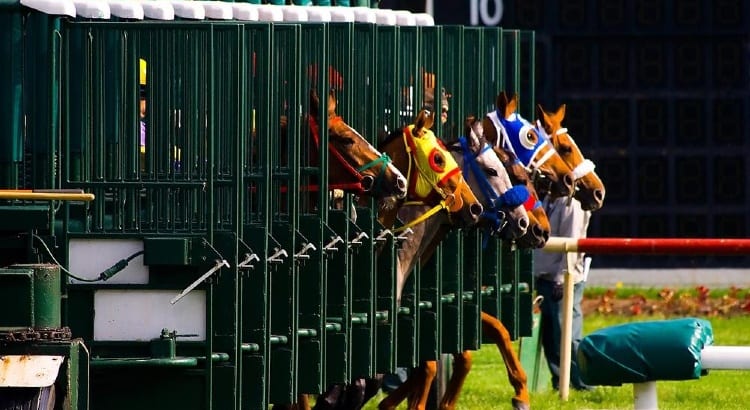
Race day in Britain has always been more than just watching horses cross the finish line. For many families, it’s a ritual woven into the fabric of their year, a chance to dress up, gather together, and share in the electric atmosphere that only a live meet can deliver. From the roar of the crowd as the gates spring open to the smell of fried onions drifting from the food stalls, these sensory details become part of a collective memory passed down through generations.
What keeps families returning isn’t simply the sport itself. It’s the traditions that surround it: the same picnic spot claimed year after year, the lucky hat worn without fail, or the post-race walk through the paddock where children press against the rails to glimpse the horses up close. These small, repeated acts create a sense of belonging and continuity that goes beyond the outcome of any single race.
Why British Families Return to the Same Racecourses Generation After Generation
Racecourses across Britain often serve as lasting family landmarks. Many households can trace their attendance at a venue back several generations. Attending the races with family members is a cherished tradition for many, highlighting how these outings are woven into the routines of British horse racing families.
When events become annual fixtures, children grow up expecting their favourite day at the races, which ties each visit to a sense of ongoing family unity. Regular attendance with relatives supports relationships across generations, helping pass down shared experiences and practical knowledge of the sport along the way. This pattern of generational racing attendance creates emotional anchors that keep families loyal to specific venues.
Membership Schemes and Venue Attachments
Notable courses including Royal Ascot, Goodwood, and Aintree have developed family membership schemes spanning decades, enabling parents to bring their children into a tradition they experienced themselves. These memberships make it possible for new generations to participate easily in the same event, encouraging lasting emotional bonds with the course. The schemes often include priority booking and dedicated family areas that improve the experience.
This repeated interaction means racegoers develop deep familiarity with the venue’s layout, atmosphere, and staff, leading each family member to feel a sense of belonging during each return visit. After years of repeated trips, the track can become almost as familiar as home. Many families report that their children recognise staff members and know exactly where to find their preferred viewing spots.
Regional Loyalty and Local Identity
Regional courses also play a key part in these racecourse traditions UK. A family from Yorkshire may feel proud loyalty toward Ripon or York in much the same way Londoners do with Epsom or Sandown. These local allegiances keep themes of identity and belonging at the forefront of every race day.
As families book tickets for the same course each year, the event naturally finds a spot on the family calendar. The tradition soon becomes personalised and local, giving each visit an identity beyond the ordinary outing. This degree of loyalty is not easily replaced and remains a driving force for continued attendance, even when younger members begin to bring along friends or future partners.
The Role of Seasonal Racing Events in Family Calendars
Major racing festivals act as fixed points in the British family calendar. The Cheltenham Festival in March, Royal Ascot in June, and the Grand National in April are not just sporting events. For many families, they are occasions planned months in advance, with travel, accommodation, and outfits arranged well ahead of time. These flagship meetings have become cultural touchstones that structure the year.
Schools and workplaces across Britain acknowledge these events as cultural moments. The Grand National, in particular, draws in people who rarely follow racing at any other point in the year. Families gather around televisions or travel to Aintree together, making it a shared annual ritual. Many families who attend major meetings do so repeatedly, showing the strength of these family race day traditions.
Many regular attendees at these events view them as an important way to mark the year as a family and maintain traditions passed down through generations. The predictable timing of seasonal fixtures allows families to build holidays and gatherings around racing weekends, creating anticipation that lasts throughout the year.
How Dress Codes Strengthen Family Participation
Dress codes at British racecourses play a practical part in bringing families together ahead of an event. When specific attire is required for different enclosures, families often prepare in advance, coordinating clothes and making sure everyone meets the dress standard. Outfitting children and adults becomes an activity families share, encouraging everyone to contribute opinions on outfits or accessories and building anticipation as race day approaches.
For younger family members, following a dress code prompts learning about social settings. They see how adults choose suitable clothing and notice the importance placed on presentation for special occasions. This process supports the development of practical skills around social etiquette. Parents often help children understand why formality matters for public gatherings and guide them through making appropriate choices, such as selecting shoes or adjusting a tie.
Racecourse dress codes also help shape the atmosphere at the track. Dressing up distinguishes race day from other sports fixtures and gives the event a sense of ceremony. Many families find that the effort put into clothing makes the outing feel unique, with the formality serving as a reminder that race day stands apart from ordinary weekends. After the event, shared photos and memories from getting dressed up become part of the family story, strengthening connections between generations.
Educational Value Families Find in Race Day Attendance
Many parents use race day as an informal classroom. The form guide alone introduces children to basic analytical thinking. Reading a race card, comparing past performances, and making predictions all involve pattern recognition and logical reasoning. These are skills that can help beyond the racecourse and may support academic development in mathematics and critical thinking.
Families often research different race day options well before booking tickets, weighing the types of courses, facilities, and activities that are suitable for children, parents, and grandparents alike. As part of this process, some also look into horse racing betting online, especially when seeking a beginner-friendly way for adults to learn the basics of odds and race selection. Many choose to experience one of the flagship meetings first, gathering practical knowledge that builds confidence for visiting other local fixtures throughout the season.
The parade ring offers a different kind of learning. Children watching horses being led around before a race develop an awareness of animal welfare and physical condition. Parents can explain how trainers and jockeys prepare, giving children a broader overview of the sport’s working parts. This exposure helps young people understand the care and skill involved in preparing horses for competition.
Racecourse environments also connect families to British agricultural heritage. The sight of horses, stable staff, and open countryside grounds the experience in something older and more rooted than most modern leisure activities. These features can support practical lessons for children and adults, who see first-hand how rural skills, land use, and horsemanship continue to influence local communities and national traditions.
How Racecourse Facilities Adapt to Multi-Generational Groups
Modern British racecourses have invested heavily in facilities that serve all age groups. Many venues have directed significant resources toward family enclosures and accessibility upgrades, reflecting the importance of accommodating multi-generational groups with varied needs. Courses now appreciate that accommodating three generations requires thoughtful planning and dedicated spaces.
Grandstand seating now accommodates elderly relatives more comfortably, with step-free access and clearer sightlines. Younger children benefit from dedicated activity areas where they can stay engaged between races. Catering options have broadened too, moving beyond traditional fare to include child-friendly menus alongside afternoon tea and more formal dining. Many venues now offer play areas, face painting, and educational displays that keep children entertained throughout the day.
These improvements reflect a broader shift in how racecourses view their role in family leisure. Rather than focusing solely on the racing itself, venues now position themselves as destinations for full-day family outings. This approach has proven successful in attracting younger families who might otherwise choose alternative entertainment options. The investment in facilities demonstrates a commitment to maintaining generational racing attendance patterns for years to come.
The Picnic Tradition at Summer Race Meetings
Summer meetings at courses like Glorious Goodwood have long maintained designated picnic areas. Families arrive early to claim their spot, unpack hampers, and settle in before the first race. The preparation involved, selecting food, packing blankets, and organising the group, draws multiple family members into the planning process. This tradition connects racing with wider British summer leisure culture.
This outdoor dining tradition links racing with wider British summer leisure habits. It matches the pace of cricket matches and village fetes, offering relaxation and community. The picnic itself often stands out as much as the racing, especially for children who remember the food and open space at least as well as the horses. Many families report that the picnic has become as central to their race day tradition as watching the races themselves, creating memories that last long after the final furlong.